Talk to us
Journal

First Home Buyers · November 2026 · 7 min read

I Have Owned a Home Before. Can I Still Use the 5% Deposit Scheme?

Owned a home or land before? The 5% Deposit Scheme may still be an option, but the ten-year ownership rule and the date you sold matter. Here is what to check.
I Have Owned a Home Before. Can I Still Use the 5% Deposit Scheme?

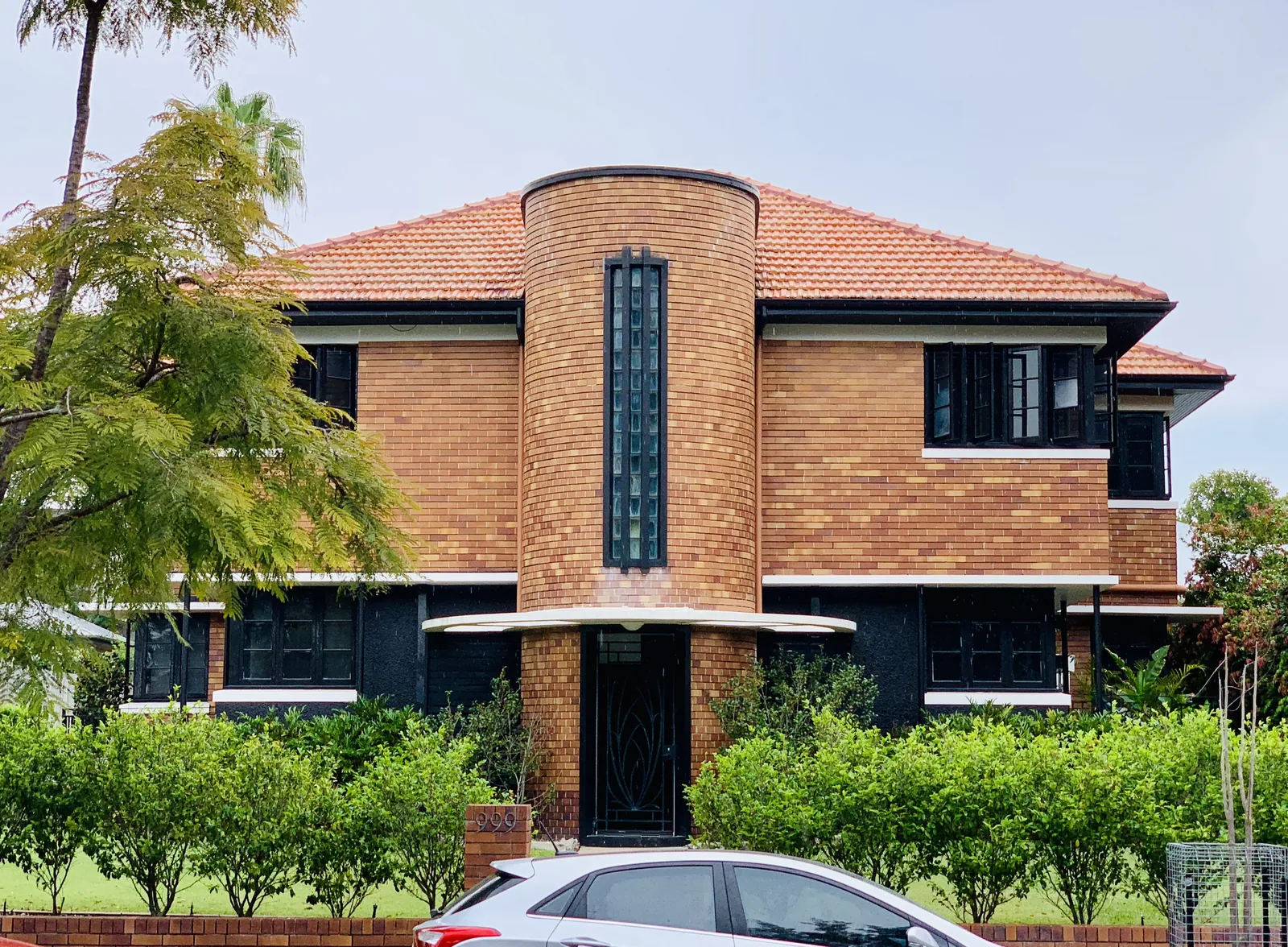
Photo: Kgbo, CC BY-SA 4.0 via Wikimedia Commons

A couple came through recently with the sort of file most brokers are happy to see. Credit history clean. Consumer debts paid out and a card closed to make room. Deposit sitting there ready.

The short answer

Yes, previous owners may qualify for the 5% stream if they have not owned a home or land in Australia for at least ten years. That period runs from the previous sale to the new scheme loan agreement. All other scheme and lender requirements still apply.

They still could not use the government's 5% deposit scheme. One old home loan on the file from years back, and that was the whole reason.

Nobody had asked them. They had been calling themselves first home buyers for so long that the question never came up, and by the time it did they were already looking at places.

So here is the rule that catches people, and the change that makes it easier to miss than it used to be.

What changed in the 5% Deposit Scheme?

Start with the name, because this is where half the confusion comes from. The Home Guarantee Scheme does not exist under that name any more. On 1 October 2025 it became the Australian Government 5% Deposit Scheme, and Treasury's own home ownership page says so.

The scheme now has unlimited places and no income caps. Property price caps increased, but they still apply. That is different from saying every buyer can use it.

That was a big change and it got a lot of airtime. Which is exactly why people now assume the whole thing got easier. It did, for most buyers. The one condition that did not move is the one that caught our clients.

Can you use the scheme if you have owned before?

The scheme's first-home buyer eligibility page says you must be a first-home buyer, or have not owned a home or land in Australia in the last 10 years.

Read that again, because there are two words in it people skip. Property or land.

A block bought as an investment, an inherited share, or a unit owned briefly before a relationship ended are all reasons to raise the ownership question. Do not assume an old or small interest can be ignored. Ask a participating lender to confirm how the particular interest affects your eligibility.

It is not about the loan. It is about the ownership. People remember the mortgage, because that is the part that came with paperwork every month, but the test is whether you held the property.

It is not about the old loan. It is about the ownership.

The flip side is more generous than most people realise. Previous ownership does not rule you out forever. The official FAQ measures the 10 years from the date the previous property was sold to the date you enter into a new loan agreement under the scheme. Passing that test still leaves the other eligibility and lender requirements to meet.

What the government guarantee actually does

Worth knowing what it actually does before you work out whether you need it. The government guarantees part of your loan to the lender. That lets you buy with a 5% deposit instead of 20, and you do not pay lenders mortgage insurance.

Lenders mortgage insurance, if nobody has explained it to you, is a premium lenders commonly require when your deposit is under 20 percent. It insures the lender, not you. It can be a substantial cost, depending on the loan and lender. Our LMI guide explains what you are paying for.

It is not a cash grant. Nothing lands in your account. You remain responsible for the purchase costs and all repayments, and you must meet the scheme's ongoing conditions. The official declaration warns that incorrect information may lead to the guarantee being cancelled, with refinancing and LMI potentially required.

The other eligibility conditions still apply

A few other conditions sit alongside the ten-year rule. You need to be an Australian citizen or permanent resident and at least 18, with a minimum 5% deposit. You must buy in Australia within the location price cap and intend to live in the home, not use it as an investment. The loan must be an eligible owner-occupier principal-and-interest loan through a participating lender. You can apply alone or with one other person, and you must meet the lender's credit and loan-approval requirements.

Those caps vary by location, and the site describes its own price cap tool as a guide only, so the cap for a specific place gets confirmed with the lender rather than read off a web page.

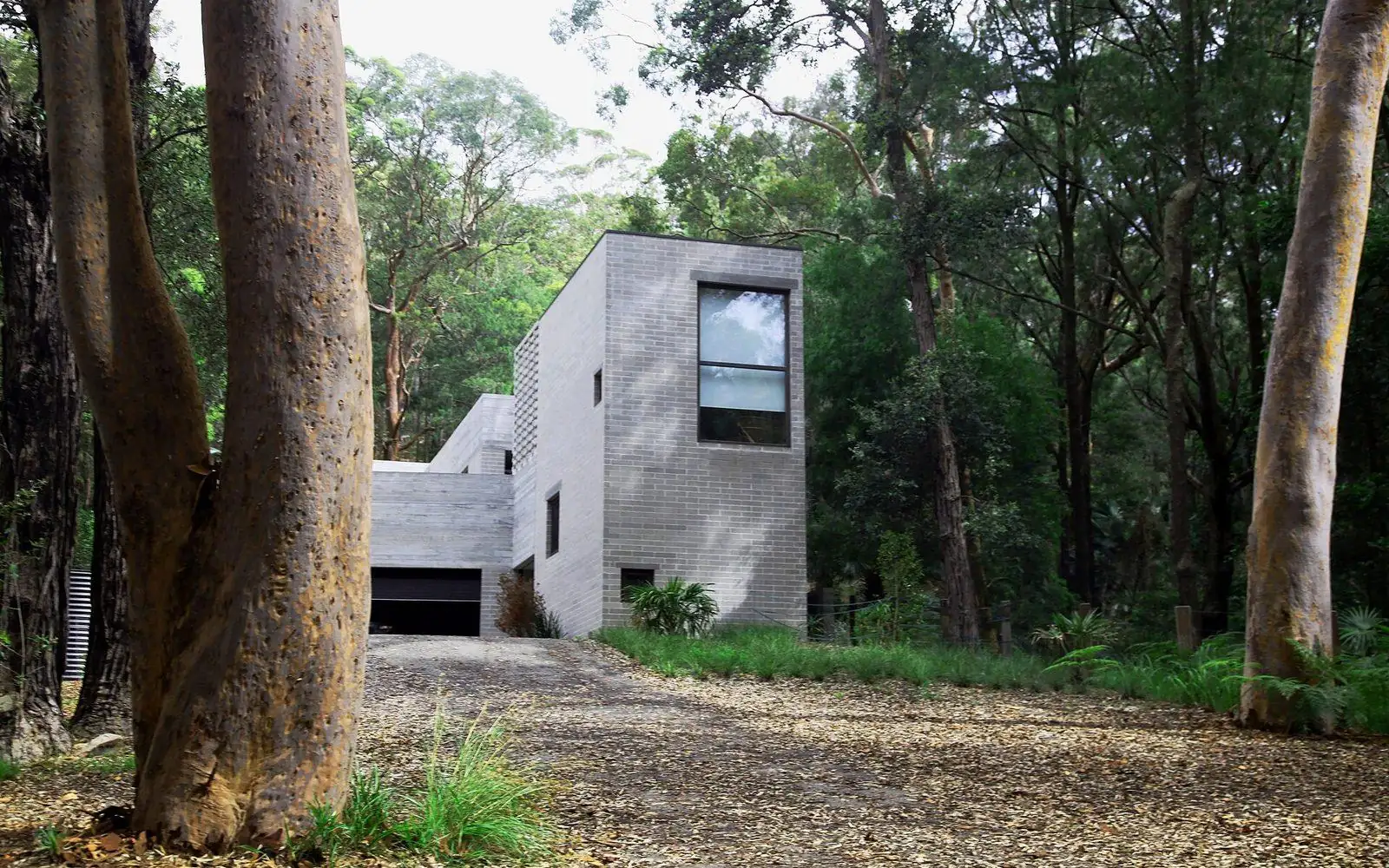
Australian coastal home surrounded by established trees
Photo: ColonelLight, CC0 via Wikimedia Commons

Who checks your eligibility?

Housing Australia administers the scheme, but you cannot apply to it directly. A participating lender assesses your eligibility alongside your loan application. Ask that lender to confirm reservation and pre-approval deadlines for your application rather than assuming a universal 90-day deadline.

Which means the ten year question gets asked properly at application stage. If nobody raised it earlier, the first time it comes up is when an assessor opens your file, and by then you have usually fallen in love with a house.

What if you owned property within the last ten years?

So what happens if you are inside the ten years?

You buy without the scheme, which is what our clients are now doing. A deposit under 20 percent means lenders mortgage insurance is back on the table, and it needs to sit in the budget as a real cost rather than turn up as a surprise.

For an illustrative $650,000 purchase, a 5% deposit is $32,500 and a 20% deposit is $130,000. The difference is $97,500. The scheme does not pay that difference to you. It guarantees part of the loan to the lender, if you qualify. These figures exclude stamp duty, other purchase costs and any LMI payable outside the scheme.

Illustrative $650,000 purchase

5% deposit$32,500
20% deposit$130,000

Deposit figures only. Purchase costs and any LMI are extra. No cash grant is paid.

The premium itself moves with the loan size and how far under 20 percent you are, and insurers price it differently. Some lenders will add it onto the loan rather than ask for it in cash, and some have their own waivers for particular occupations. That is a conversation to have before you pick a lender, not after.

State and territory concessions are a separate system with their own rules, so a previous owner knocked out of the federal stream is not automatically knocked out everywhere. Worth checking what your own state is currently offering.

A separate option for eligible single parents

Eligible single parents or legal guardians of at least one dependent child may be able to use the separate 2% deposit stream. Its ownership rules differ from the 5% stream, including requirements about other property interests at settlement. It is not an automatic workaround for previous owners. Check the official single-parent criteria with a participating lender.

The question to ask in your first conversation

If you take one thing from this, make it the question. Have either of you ever had your name on a property title in Australia, including land.

Ask it in the first conversation. Ask it of both applicants. Ask it even when you are certain, because the answer we get more often than you would think is, oh, well, there was that block.

It is a much better question to answer in week one than in week six with a contract already signed.

Before looking at properties

  • Ownership history. Identify any Australian home or land interest held by either applicant.
  • Sale date. Check the date against the proposed new scheme loan agreement, not just pre-approval.
  • Deposit and costs. Budget separately for purchase costs and any LMI outside the scheme.
  • Eligibility. Have the participating lender confirm the stream and all remaining requirements.

Scheme information checked against the official scheme FAQs and Treasury's home ownership guidance in November 2026. Rules and caps can change. Confirm the current requirements with a participating lender before committing to a purchase.

Still working out your deposit or your options? Read our home deposit guide, or talk to a broker before signing a contract.

The information in this article is general in nature and does not take into account your personal circumstances. Speak with a qualified mortgage broker before making lending decisions.

Related questions

More on first home buyers.