Talk to us
Journal

Investing · November 2026 · 6 min read

The Rent on the Brochure Is Not the Rent the Bank Counts

A new build brochure quotes a weekly rent. Your lender needs evidence, not a sales estimate. Here is how rental income gets assessed, and why the number can shrink twice before it reaches your application.

The Rent on the Brochure Is Not the Rent the Bank Counts

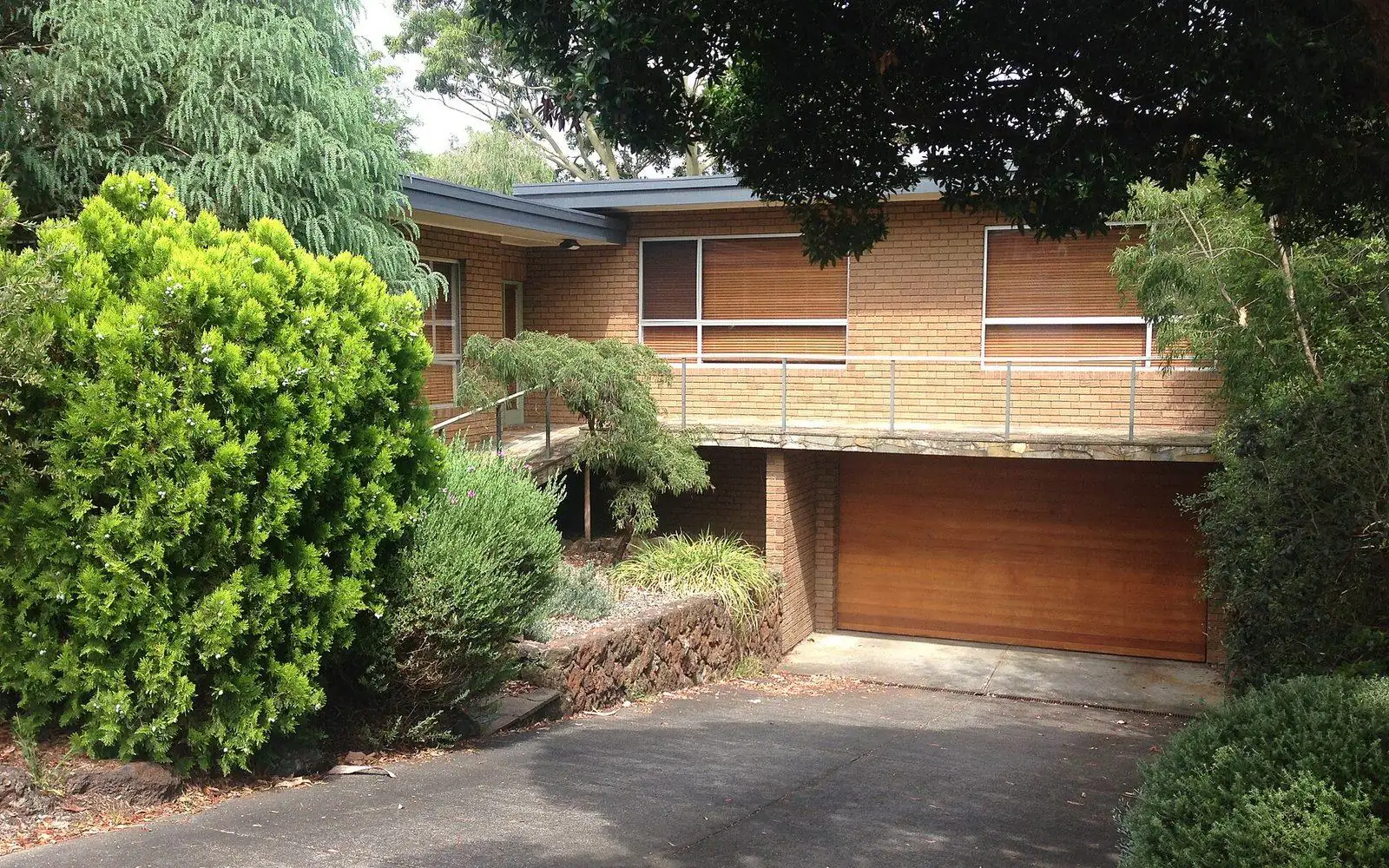
Photo: Philip Mallis from Melbourne, CC BY-SA 2.0 via Wikimedia Commons

A brochure landed in our inbox this week. Brand new place, three bedrooms, three bathrooms, a bit under $650,000. Rent claimed at $700 to $750 a week.

On those numbers it looks like the property pays for most of itself. That is the point of putting them on a brochure.

The trouble is that figure came from the person selling the property. It is a marketing estimate, not the evidence your lender needs to assess rental income.

The short answer

Lenders generally want a lease, rental history or an acceptable rental assessment. They may then count only part of that rent, while assessing repayments at a higher interest rate. The brochure is not a borrowing-capacity calculation.

What rental evidence does a lender need?

Here is what actually happens to rental income on an investment application.

The lender wants evidence the rent is real. Where there is a tenant in place, that evidence may include a lease and a rental ledger showing money actually arriving. Easy enough.

On a brand new build there is no tenant and there never has been one. Nobody has paid a cent of rent at that address. The lender will commonly obtain a valuation with a rental assessment. Some lenders also accept an agent's rental appraisal, subject to their policy.

That assessment is an opinion from someone who is not selling you the property, which is the reason a lender wants it instead of relying on the brochure. Sometimes it lands on the brochure figure. Sometimes it lands under it.

We are not suggesting the developer is lying. A rent range on a brochure is usually built off what similar places nearby are getting, and it may be roughly right. It still needs to be supported by evidence acceptable to the lender.

Why lenders count only part of the rental income

Then the number can shrink a second time. Lenders generally do not count the whole rent as income, because a rental property does not run itself. Management fees, insurance, rates, maintenance and the weeks with nobody in it all affect what is left to service a loan with.

How much comes off depends on the lender's credit policy and how it treats property expenses. Some publish their rental-income rules, but there is no single percentage that applies to every application. Any single percentage we quoted you would be wrong somewhere.

From brochure to application

  1. The advertised rentA sales estimate, not proof of income.
  2. The supported rentA lease, rental history or rental assessment acceptable to the lender.
  3. The income countedThe amount the lender accepts after applying its rental-income and expense policy.

Less rent counted, higher repayments assessed

While the rent is being discounted, the repayment is being inflated. APRA requires banks to use a mortgage serviceability buffer of at least three percentage points above the loan interest rate. A lender may also apply a minimum assessment rate or stricter policy.

So the two halves of the calculation move in opposite directions. Less rent counted, bigger repayment assumed. A deal that works on brochure maths can miss by a long way on servicing maths.

Less rent counted. Bigger repayment assumed. Brochure maths is not servicing maths.

Our borrowing capacity guide explains the wider assessment, including your other income, living costs and existing debts.

What happens if the property sits empty?

ASIC's Moneysmart site makes the risk clear. Rent may not cover your mortgage and other costs, and you may need to cover costs yourself while the property is vacant.

That is the quiet one. A vacancy on a place you bought with your eyes open is annoying. A vacancy on a place you bought because the rent covered it is a hole in your own budget.

On a new development where many similar homes settle around the same time, competition for tenants is another risk worth checking rather than assuming the advertised rent will arrive from day one.

The same logic applies to a place with a tenant already in it, just with far less guesswork. The lease is evidence, so the conversation is about the rent, the tenancy history and the lender's policy rather than whether rental income exists at all.

Australian homes along a residential street in Abbotsford
Photo: Alex Proimos from Sydney, Australia, CC BY 2.0 via Wikimedia Commons

The other new-build risk: a valuation shortfall

There is a second number on a new build worth watching, and it is not the rent.

On an off-the-plan purchase, the lender's final valuation may happen near completion, sometimes a year or two after you signed. Lenders generally base purchase lending on the lower of the contract price and their accepted valuation. If the valuation comes in under the contract price, you may need a larger cash contribution or another arrangement acceptable to the lender.

That is a common off-the-plan finance problem. Not the rent. The gap.

The loan-to-value ratio guide explains how the property value affects the amount you can borrow and the deposit you need.

Your existing investment debt matters too

There is also less room in the system for highly indebted borrowers. APRA's debt-to-income limits restrict the share of new bank lending to borrowers whose total debt is six times their gross annual income or more. Investment debt counts toward yours. This is a limit on a bank's lending mix, not an automatic ban on every application above that ratio.

Does that make a new build a bad investment?

None of this makes a new build a bad buy. Potential depreciation deductions, lower maintenance in the early years, tenants who want something modern and applicable building warranties can all be advantages. Tax treatment needs an accountant's guidance, and maintenance and warranty protection should not be assumed.

What it means is that the brochure's rent is a marketing estimate and your budget should not be built on it. If the deal only works at $750 a week, it is a bet on a number that has not yet been supported by evidence acceptable to your lender.

Two questions to ask before you sign

First, what has an agent or valuer who is not involved in selling the property said it would rent for? If nobody has asked, why not? A separate rental appraisal is a useful sanity check against the brochure. Check any cost with the agent first.

Second, what does this look like if the rent comes in ten percent under the brochure and the place sits empty for a month a year? If that version still fits your budget, you have a stronger starting point. If it does not, you have found out before committing.

Before committing to a new build

  • Rental evidence. Obtain an appraisal from someone not involved in the sale and confirm what evidence your lender accepts.
  • Cash buffer. Allow for lower rent, vacancies and property expenses.
  • Valuation gap. Understand how a lower valuation could change your cash contribution.
  • Finance review. Check the whole application before relying on an advertised rental return.

The weekly rent is one of the easiest numbers on the front of a brochure to check. It is worth checking before you build a budget around it.

For the regulatory background, see APRA's 28 May 2026 policy update. For the investment risks, see Moneysmart's property investment guide. Lending rules can change, so confirm the current policy for your application.

Considering an investment property? Start with our investment lending guide, explore investment loan options, or talk to a broker before signing a contract.

The information in this article is general in nature and does not take into account your personal circumstances. Speak with a qualified mortgage broker before making lending decisions.